Dane
Dane

In the criminal justice system law and order shape public safety, rights, and justice. Learn how courts, police, and prisons work together.
In the criminal justice system, law and order refer to the system of laws, institutions, and procedures that maintain public safety, protect rights, and punish crime. It includes police, courts, and corrections working together to enforce the law fairly and keep society stable.
In The Criminal Justice System Law And Order
Have you ever wondered what really keeps a country safe and organized? Why do most people follow rules even when no one is watching? The answer lies in law and order within the criminal justice system. It is the backbone of a peaceful society.
In simple terms, the criminal justice system is a structure made to prevent crime, catch offenders, and deliver justice. It balances two key goals: protecting the public and protecting individual rights. Without this balance, chaos can happen. With it, communities can grow safely.
Let’s break it down step by step so you can clearly understand how law and order work in real life. 🚔⚖️
What Is The Criminal Justice System? ⚖️
The criminal justice system is a network of agencies and processes created to control crime. It includes law enforcement, courts, and correctional facilities. Each part has a unique job. Together, they keep order in society.
This system ensures that laws are followed and rights are respected. When someone breaks the law, the system responds. But it does not act randomly. It follows strict procedures designed to protect fairness and justice.
Think of it like a relay race. One group starts the process, then passes it to the next. Every stage matters. If one step fails, the whole system weakens.
The Meaning Of Law And Order In Society 🏛️
Law and order mean more than just arresting criminals. They represent stability, safety, and trust. When people believe laws are fair, they feel secure. That security builds strong communities.
Order does not mean strict control. It means structured freedom. You can live, work, and express yourself safely because laws protect you. At the same time, those who harm others face consequences.
In short, law creates rules. Order ensures those rules are respected. Together, they create peace instead of chaos.
The Three Main Components Of The System 🔍
The criminal justice system has three core pillars. Each plays a critical role in maintaining law and order.
- Law Enforcement – Investigates crime and arrests suspects.
- Judiciary (Courts) – Determines guilt or innocence.
- Corrections – Punishes and rehabilitates offenders.
These parts must cooperate. If one becomes unfair or ineffective, public trust drops. Strong coordination keeps justice functioning smoothly.
| Component | Primary Role | Example Action |
| Law Enforcement | Investigate and arrest | Conduct investigation |
| Courts | Interpret and apply the law | Hold trial |
| Corrections | Punish and rehabilitate | Manage prison sentence |
Role Of Law Enforcement In Maintaining Order 🚔
Police officers are often the first contact in the justice system. They respond to emergencies and investigate crimes. Their presence alone can prevent wrongdoing.
Law enforcement gathers evidence and questions witnesses. They must follow strict rules to protect rights. Illegal searches or forced confessions can damage a case.
Good policing builds community trust. When citizens cooperate with officers, crime prevention improves. Trust strengthens law and order at the local level.
How The Court System Delivers Justice ⚖️
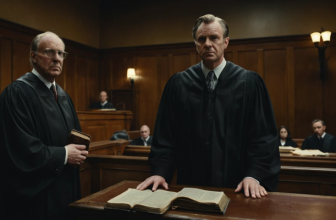
Courts are where legal decisions are made. Judges and juries review evidence carefully. Their goal is fairness, not speed.
The accused has rights, including legal representation. This protects against wrongful convictions. The prosecution must prove guilt beyond a reasonable doubt.
Courtrooms represent balance. They ensure punishment only happens when evidence supports it. That fairness keeps the system credible.
The Corrections System And Rehabilitation 🏢
Corrections handle individuals after conviction. This includes prisons, probation, and parole. Punishment is only one goal.
Rehabilitation aims to reduce repeat offenses. Education, job training, and counseling programs help inmates reintegrate. Successful rehabilitation lowers crime rates.
A strong correctional system protects society today and tomorrow. It holds offenders accountable while preparing them for lawful living.
| Correction Type | Purpose | Example |
| Prison | Long-term confinement | Felony sentence |
| Probation | Supervised freedom | Community service |
| Parole | Early supervised release | Post-prison monitoring |
The Importance Of Due Process 📝
Due process ensures fairness in legal proceedings. It protects individuals from government abuse. Without it, law and order could become oppression.
Every accused person has rights. These include the right to remain silent and the right to a fair trial. These protections prevent injustice.
Due process keeps power balanced. It ensures justice serves people, not controls them.
Crime Prevention And Public Safety 🛡️
Preventing crime is just as important as punishing it. Law enforcement uses community programs to reduce risk. Schools and social programs also help.
Public safety strategies often include:
- Community policing
- Youth mentorship programs
- Neighborhood watch groups
Prevention saves resources and protects families. It creates safer streets before crimes even happen.
The Role Of Laws In Maintaining Stability 📚
Laws define acceptable behavior. They create boundaries for actions. Without clear laws, confusion would spread.
Criminal law addresses harmful behavior. Civil law resolves disputes between individuals. Both support order in different ways.
Laws evolve over time. As society changes, legal systems adapt. This keeps the justice system relevant and effective.
Balancing Rights And Security ⚖️🛡️
One of the biggest challenges is balance. Too much focus on security can harm freedom. Too much freedom without enforcement can lead to chaos.
Governments must carefully manage surveillance and policing powers. Courts often review these decisions. They ensure constitutional protections remain intact.
A healthy system protects both safety and liberty. That balance builds lasting trust.
The Impact Of Crime On Communities 🏘️
Crime affects more than victims. It impacts neighborhoods and economies. Fear can damage local businesses and relationships.
Communities with strong law enforcement partnerships often recover faster. Support services help victims heal. Prevention programs reduce repeat crime.
When law and order function well, communities thrive. Stability encourages growth and opportunity.
Modern Challenges In The Justice System 🌍
Technology has changed crime patterns. Cybercrime and digital fraud are rising. Law enforcement must adapt quickly.
Overcrowded prisons also create problems. Rehabilitation becomes harder with limited resources. Reform discussions focus on fairness and efficiency.
New challenges require new strategies. The system must stay flexible to maintain order effectively.
| Modern Issue | Challenge Created | Possible Response |
| Cybercrime | Online fraud and hacking | Digital crime units |
| Prison Overcrowding | Limited resources | Sentencing reform |
| Public Trust Issues | Reduced cooperation | Community engagement |
The Role Of The Constitution And Legal Rights 📜
The Constitution protects citizens from unfair treatment. It sets limits on government power. These protections strengthen law and order.
Rights like freedom of speech and protection from unreasonable searches matter deeply. They prevent abuse of authority.
Constitutional safeguards make justice reliable. They ensure power stays accountable.
Why Public Trust Matters 🤝
Without trust, law enforcement struggles. Citizens may refuse cooperation. This weakens crime prevention efforts.
Transparency builds confidence. Clear communication and accountability increase legitimacy. Communities respond positively to fairness.
Trust transforms law enforcement into partnership. Together, people and agencies maintain order.
Criminal Justice Reform And The Future 🔮
Reform aims to improve fairness and efficiency. This includes revising sentencing laws and expanding rehabilitation programs. The goal is a smarter system.
Data-driven policies help leaders understand crime trends. Evidence-based programs reduce repeat offenses.
The future of law and order depends on adaptation. Continuous improvement keeps justice strong and relevant.
Key Benefits Of A Strong Justice System ⭐
A well-functioning system provides many benefits:
- Public safety and stability
- Protection of individual rights
- Accountability for wrongdoing
- Opportunities for rehabilitation
When these elements align, society prospers. Law and order create a secure foundation for growth.
Conclusion
In the criminal justice system, law and order work together to protect society and preserve freedom. Police investigate crime, courts ensure fairness, and corrections promote accountability and rehabilitation. Balance remains essential. Too much control harms liberty, while too little enforcement invites chaos.
A strong system depends on fairness, transparency, and public trust. When these values stay intact, communities feel safe and empowered. Law and order are not just about punishment. They are about building a stable and just society for everyone. ⚖️
FAQs
What Is Law And Order In Criminal Justice?
Law and order refer to enforcing laws while protecting rights. It ensures safety and fairness. The system balances public protection and individual freedom.
How Does The Court System Ensure Fair Trials?
Courts review evidence carefully and protect legal rights. Judges and juries remain neutral. The prosecution must prove guilt beyond doubt.
Why Is Rehabilitation Important In Corrections?
Rehabilitation reduces repeat crimes. It helps offenders gain skills and education. This improves long-term public safety.
What Are The Main Goals Of Criminal Justice?
The system aims to prevent crime, punish offenders, and protect rights. It also promotes rehabilitation. These goals maintain stability.
How Does Law Enforcement Maintain Public Safety?
Police patrol communities and respond to emergencies. They investigate crimes using evidence. Their presence deters unlawful behavior.